
The short answer
You can rent out a personal kayak if it is suitable for the renter’s intended use, you meet the requirements where you operate, and the income justifies the work. Start with one well-maintained kayak, a price based on local comparisons and your costs, and a clear plan for safe handoffs.
Is renting out your kayak worth it?
The best starting question is not “How much could this earn?” It is “Can I make this rental practical for both of us?” A kayak may sit unused all week, but a renter could still need it at a time when you cannot meet them.
It is a better fit when you know the kayak well, can inspect it between bookings and have convenient access to renters. Be cautious if it is your only boat for a planned trip, has sentimental value, or would be difficult for you to replace.
A promising starting point
- You can explain its capacity and intended use.
- You have time for both pickup and return.
- A renter can transport it, or delivery is practical.
- You are comfortable with normal cosmetic wear.
Resolve these first
- Leaks, cracks or uncertain maintenance history.
- Missing safety gear or unclear insurance.
- A pickup plan that depends on last-minute favors.
- Local rental or launch rules you have not checked.
Try a limited availability window before making every weekend bookable. Track the work involved in your first few rentals before considering more equipment.
How should you price a kayak rental?
Compare like with like, then check your costs. A launch-side outfitter with staff and immediate water access offers something different from a personal kayak a renter collects across town.
- Find three to five current local alternatives. Record the date, kayak type, rental duration, included equipment, pickup location and total advertised charges. Asking prices are useful context; they are not proof of booking demand.
- Match the experience. Compare a single recreational kayak with similar boats. Tandems, fishing setups, pedal drives and touring kayaks may have different buyers and costs.
- Account for friction. If the renter needs a roof rack and a long drive to collect your kayak, a lower headline price may still feel less convenient than a waterside rental.
- Choose a sustainable starting price. Leave room for turnaround work and replacement parts. Review inquiries, completed rentals and your actual time before changing it.
For multi-day rentals, think in total dollars. A hypothetical $100 three-day booking averages $33.33 per day. It may reduce handoffs compared with three separate rentals, but it also keeps your kayak unavailable for longer. Set a total you would be happy to accept.
Use our equipment pricing worksheet to build your own cost model. For more watercraft context, see the Journal’s kayak and paddleboard pricing guide.
Rental revenue is not the same as earnings.
A simple budget helps you spot when a rental is more work than it is worth. Include cleaning supplies, small repairs, equipment replacement, delivery mileage, parking, storage and any applicable payment or platform charges. Insurance, permits and taxes may also affect your result.
Worked example · Illustrative only
Four one-day rentals at $40 each
These are invented planning assumptions, not Local Rentz results, market averages or a demand forecast. This example assumes pickup, with no delivery revenue or mileage.
| Item | Amount |
|---|---|
| Rental revenue: 4 × $40 | $160 |
| Cleaning supplies: 4 × $3 | −$12 |
| Maintenance allowance: 4 × $5 | −$20 |
| Replacement reserve: 4 × $6 | −$24 |
| Remaining after these allowances | $104 |
Still to subtract: applicable fees, insurance, storage, permits, taxes and other costs. A reserve is money set aside for future wear; it is not necessarily a bill paid that month.
If messages, preparation and handoffs take four hours in total, valuing that time at $20 per hour leaves $24 before the remaining costs. With no bookings, rental revenue is $0 while fixed costs may continue.
Use the same calculation with your own figures. If delivery adds two trips and an hour of driving, calculate it separately. Do not buy another kayak based only on the optimistic version of your spreadsheet.
Prepare the kayak, then photograph the real setup.
Start with the manufacturer’s instructions. Inspect the hull, seat, foot supports, handles, fasteners, hatches and applicable plugs. Look for damage, loose fittings and evidence of leaks. Check the paddle and any transport equipment too. Keep questionable equipment out of service until it is properly assessed.
Clean off sand and debris, follow the recommended care after saltwater use, and let everything dry before storage. An inflatable kayak needs its own checks: inspect seams and valves, use the specified pressure and confirm it holds air as intended. Keep a dated maintenance record.
A useful six-photo shot list
- The entire kayak in clear daylight, with an uncluttered background.
- The seat and foot supports, showing the actual layout.
- The underside, bow and stern, including visible wear.
- The paddle, life jackets and every included accessory together.
- The manufacturer’s model and capacity label, where present.
- Any distinctive feature or cosmetic mark a renter should know about.
Use photos of your own kayak, not a stock photo or a better-equipped model. Keep home addresses, vehicle plates and other people’s personal information out of the frame. Retake condition photos at each handoff; listing photos alone may be months old.
A description that answers real questions
“Single recreational kayak for the conditions specified by its manufacturer. Includes one paddle and a life jacket in the size confirmed before pickup. Pickup near [area]; renter must arrange suitable transport. Length: [verified length]. Weight: [verified weight]. Capacity: [manufacturer’s limit]. See photos for existing cosmetic wear.”
Replace every bracket with verified details. Explain any restrictions and exactly which safety equipment is supplied.
Our equipment inspection guide covers repeatable checks between bookings.
Safety equipment and owner responsibilities
A kayak, a paddle and an available date are not the whole rental. Confirm the kayak fits the planned activity and paddler, including the manufacturer’s weight and passenger limits. A recreational kayak should not be presented as suitable for offshore water, strong currents or other conditions outside its intended use.
Provide and check a serviceable, appropriately sized U.S. Coast Guard-approved wearable life jacket for every person. Make wearing it part of your handoff discussion. The Coast Guard’s life jacket guidance explains fit and condition; an adult jacket is not a substitute for a child’s size.
Check the requirements for the specific waters and planned use. In Florida, FWC’s human-powered vessel guidance covers life jackets, sound-producing devices and additional lighting and distress-signal requirements for some conditions. A whistle alone does not make every outing fully equipped.
Florida owners: check the livery rules before advertising.
FWC’s definition of a livery includes people who advertise and offer vessels for paid rental. Its guidance includes permits, pre-rental instruction, safety information and written agreements, including requirements for human-powered vessels. Do not assume that renting one personal kayak is exempt.
Read the current FWC livery requirements and confirm what applies to your arrangement. Outside Florida, contact the relevant boating authority. Also check whether your chosen park, beach or launch allows commercial handoffs.
Agree on intended use, review the weather and water conditions, and explain the equipment within your competence. Encourage a float plan shared with someone on land. A brief rental handoff is not a substitute for paddling instruction; if the renter needs skills you cannot provide, direct them to a qualified instructor or outfitter.
Make pickup, delivery and return predictable.
Resolve transport before accepting the booking. Publish accurate length and weight information. Ask how the renter will carry the kayak, and make clear whether transport equipment is included. Do not improvise a roof-loading solution at pickup; follow the kayak, vehicle and carrier manufacturers’ instructions.
If you offer delivery, define the service area, meeting point, price and whether collection is included. Count both outbound and return journeys. Confirm permission for the location before promising a launch-side handoff.
Use the same three-part handoff every time.
- Before arrival: confirm the agreed time, location, intended use, accessory list and return plan. Resolve weather concerns early.
- At pickup: inspect together, photograph existing wear, count accessories and complete the required safety instruction and rental documentation. Explain adjustments and limitations.
- At return: count accessories again, inspect for changes, record concerns factually and clean and dry the equipment. Leave time for repairs before the next rental.
A practical return message is specific: “Return to the agreed pickup point by [time], with the paddle and all listed accessories. Message through the booking if you expect a delay.” Use the actual booking terms for late returns and charges.
Be clear about damage, liability and cancellations.
Insurance is the owner’s responsibility.
Local Rentz does not provide insurance for rentals on its platform. Equipment owners are responsible for obtaining any insurance coverage they need. Check with your insurance provider before listing, because personal insurance policies may not cover equipment rented to others.
Photograph existing wear together and record any changes at return. Clear records help resolve disagreements, but they do not guarantee reimbursement. Review the Local Rentz terms and get advice about rental agreements and liability questions that apply to your operation.
Choose a cancellation policy you can follow and explain how you will communicate about bad weather. Never promise an automatic weather refund unless the booking terms provide one. If equipment is damaged, stop renting it, document the issue and contact support promptly through the available booking channels. Keep communication factual rather than assigning blame before you have evidence.
Keep records of income and expenses and check applicable tax and business obligations.
How to list your kayak on Local Rentz
When the practical details are ready, go to List your stuff. The current website will guide you through signing in or creating an account, then choosing a listing category.
- Choose the kayak category. Add the actual item details and clear photos.
- Set your prices and availability. Enter the rental amounts offered by the listing form and block dates when the kayak is unavailable.
- Explain the handoff. Set pickup or delivery options, included equipment, rental rules and the available cancellation choices. Read each option before selecting it.
- Review and publish. Complete the account and payment setup requested by the current website. Check the public listing for accuracy.
- Review incoming requests. Confirm that the dates, intended use and logistics work before accepting. Follow the booking’s payment instructions and verify its status before handing over the kayak.
You set the price and availability; a published listing does not guarantee bookings. Keep it accurate as your equipment, schedule or local requirements change.
Start your kayak listingBefore you make it available
Your equipment-readiness checklist
Work through this before publishing, then repeat the equipment and handoff checks for every rental. An unresolved safety issue means the kayak stays unavailable.
- Hull, fittings, handles, seat and foot supports checked; no unresolved damage or leaks.
- Manufacturer’s capacity, intended use and maintenance guidance confirmed.
- Paddle, plugs, hatches and all listed accessories present and serviceable.
- Correctly sized life jackets and all safety equipment for the planned use confirmed.
- Equipment clean and dry; current condition photos taken.
- Listing describes the actual kayak, included gear, limitations and transport needs.
- Price, availability, pickup, return and cancellation expectations are clear.
- Applicable permits, rental instructions, agreements and insurance questions addressed.
Keep a dated inspection record with your own equipment details. This checklist supports—not replaces—manufacturer instructions and applicable requirements.
Questions kayak owners ask
Can I rent out just one kayak?
Yes. You can start with a single kayak you already own. First check its condition, the rules that apply where you operate, your insurance arrangements and whether you can reliably handle pickup and return. Owning only one kayak does not automatically exempt you from rental-vessel requirements.
How much should I charge per day?
There is no universal daily rate. Compare current local rentals of the same kayak type and duration, including accessories and transport. Then check whether your price leaves enough after operating costs and owner time. The $40 example above is a budgeting illustration, not a suggested market rate.
Do I need to offer delivery?
No. Local Rentz supports pickup and delivery options. Pickup can keep your workload manageable, but the renter needs an appropriate way to transport the kayak. State the kayak’s length and weight and agree on transport before accepting a request.
Should I include a paddle and life jacket?
A complete, clearly described setup is easier for renters to evaluate. Confirm an appropriate paddle and serviceable, correctly sized life jacket for every paddler, along with all other required safety equipment. Never assume a jacket that fits you will fit the renter.
Does Local Rentz automatically insure my kayak?
No. Local Rentz does not provide insurance for rentals on its platform. Equipment owners are responsible for obtaining any insurance coverage they need. Check with your insurance provider before listing, because personal insurance policies may not cover equipment rented to others.
Can I keep dates free for my own paddling?
Yes. You can block dates when your kayak is unavailable. Leave enough time around bookings to inspect, clean and dry the equipment, and keep existing rental commitments in mind when planning your own trips.
What if the weather makes the rental unsafe?
Discuss the forecast and contact the renter promptly. Use the cancellation policy attached to the booking and contact Local Rentz support if you need help. Do not proceed with a handoff you consider unsafe simply to avoid a cancellation.
Sources & further reading
Official guidance checked November 4, 2026. Requirements can change; confirm the current rules before advertising or handing over equipment.
- FWC: Livery regulations and safety information
- FWC: Human-powered vessels
- U.S. Coast Guard: Life jacket wear and fit
- Local Rentz Journal: How to rent out your gear
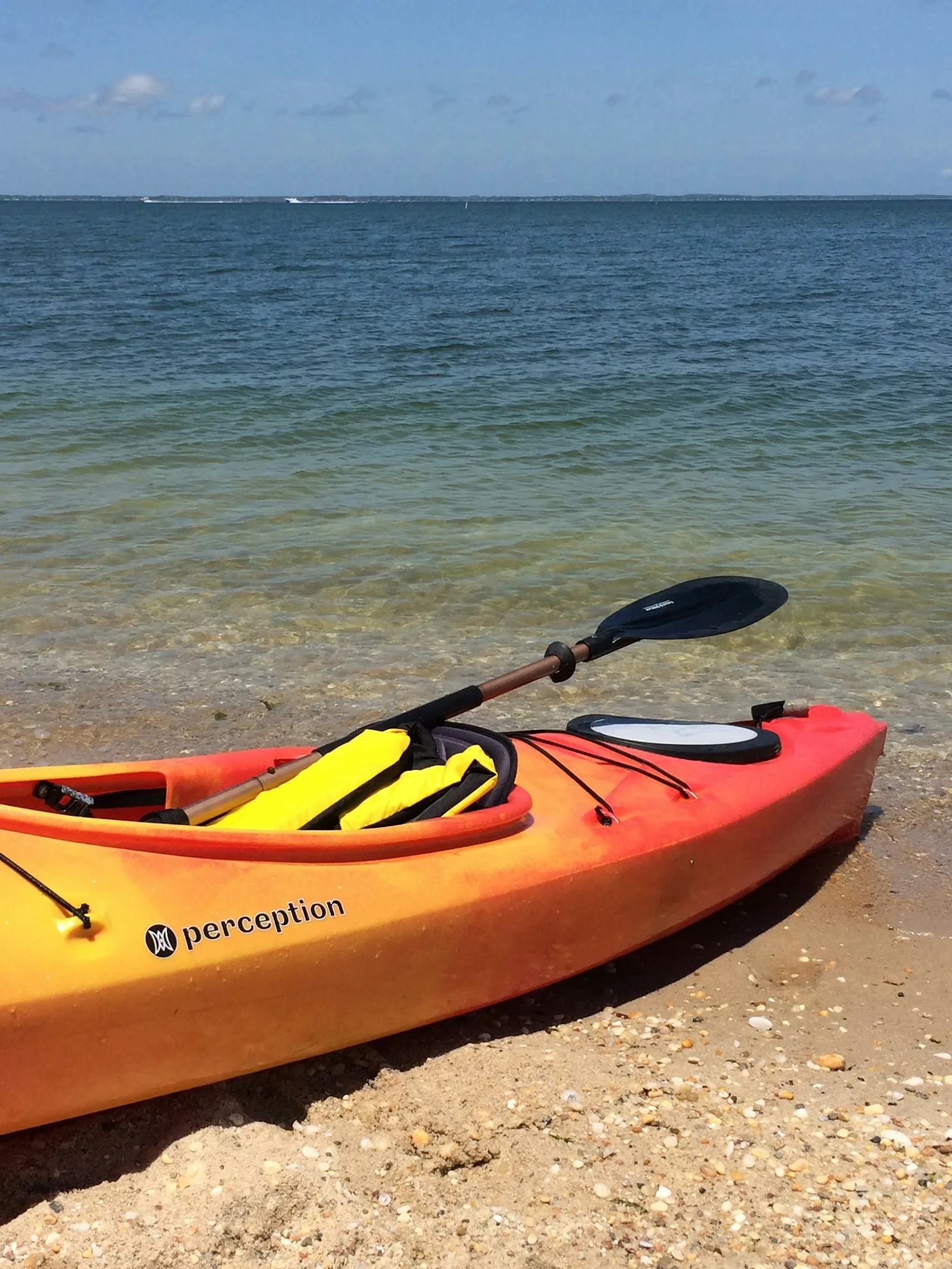
Photo: Christy Hinko / Unsplash, used under the Unsplash License. Illustrative photo, not a Local Rentz listing.